November 28, 2024
Signs Your Spiritual Practice Is Working: Recognizing Real Transformation
The journey of spiritual growth is often subtle and profound, revealing itself through quiet transformations rather than dramatic revelations. Understanding the genuine markers of progress helps you stay committed to your practice and recognize the deep changes taking root within.

Finding peace through consistent spiritual practice
The Foundation: Emotional Stability and Inner Peace
One of the most reliable indicators that your spiritual practice is taking root is a noticeable increase in emotional stability. This doesn't mean you never experience difficult emotions—rather, you find yourself responding to life's challenges with greater equanimity and less reactivity. The storms of life still come, but you've developed an inner anchor that keeps you grounded.
You might notice that situations that once triggered intense anxiety or anger now evoke a more measured response. There's a growing space between stimulus and reaction, a pause where wisdom can enter. This emotional resilience isn't about suppressing feelings but rather about experiencing them fully while maintaining your center. You're learning to ride the waves of emotion rather than being swept away by them.
Inner peace manifests as a subtle but persistent sense of okayness, even amid uncertainty. You find yourself less dependent on external circumstances for your sense of wellbeing. This doesn't mean you become passive or indifferent—quite the opposite. From this place of inner stability, you can engage more fully with life, taking meaningful action without being driven by fear or desperation.
True spiritual progress reveals itself not in the absence of challenges, but in our transformed relationship with them. We become the calm center in life's inevitable storms.
Enhanced Intuition and Inner Guidance
As your spiritual practice deepens, you may discover a strengthening connection to your inner wisdom. This enhanced intuition doesn't arrive as mystical visions or supernatural abilities—it's far more practical and grounded. You begin to trust your gut feelings more, recognizing them as valuable sources of information rather than dismissing them as irrational.

This inner guidance system becomes more refined and reliable. You find yourself making decisions with greater clarity and confidence, even when the logical mind can't fully explain the choice. There's a growing ability to distinguish between the voice of fear and the voice of wisdom, between ego-driven desires and authentic soul callings. This discernment is one of the most valuable fruits of consistent spiritual practice.
You might also notice an increased sensitivity to energy and atmosphere. Walking into a room, you can sense the emotional climate more readily. You pick up on subtle cues in conversations that you might have missed before. This heightened awareness isn't about becoming psychic—it's about becoming more present and attuned to the full spectrum of information available in each moment.
Trusting the Quiet Voice Within
The development of intuition goes hand in hand with learning to quiet the mental chatter that often drowns out our inner wisdom. Through meditation and mindfulness practices, you create space for this quieter, deeper voice to emerge. It speaks not in shoulds and musts, but in gentle knowing. It doesn't argue or justify—it simply is. Learning to recognize and trust this voice is a profound sign of spiritual maturation.
Deepening Compassion and Connection
Perhaps one of the most beautiful signs of spiritual growth is the natural expansion of compassion—both for yourself and others. This isn't forced or performative kindness, but a genuine softening of the heart. You find yourself more patient with your own imperfections and more understanding of others' struggles. The harsh inner critic that once dominated your self-talk begins to quiet, replaced by a kinder, more supportive inner voice.
This growing compassion extends outward in tangible ways. You become more present in your relationships, truly listening rather than waiting for your turn to speak. You find yourself less judgmental, more curious about perspectives different from your own. There's a recognition of our shared humanity—that everyone is doing their best with the resources and understanding they have. This doesn't mean accepting harmful behavior, but rather responding to it with wisdom rather than reactivity.

You may also notice a deepening sense of connection—not just to people, but to all of life. Nature becomes more vivid and meaningful. You feel part of something larger than yourself, yet paradoxically, more authentically yourself than ever before. This sense of interconnection isn't abstract philosophy but lived experience, informing how you move through the world and make choices.
The Ripple Effect of Inner Work
As your compassion grows, you might notice that your relationships naturally improve. Not because you're trying harder or using better techniques, but because you're showing up differently. You're more authentic, more present, more willing to be vulnerable. This creates space for others to do the same, fostering deeper, more meaningful connections. The work you do on yourself inevitably ripples outward, touching everyone you encounter.
Increased Presence and Mindfulness
A clear indicator of spiritual progress is the growing ability to be present in the moment. This doesn't mean you never think about the past or plan for the future, but rather that you're not constantly lost in mental time travel. You find yourself more engaged with whatever you're doing—whether it's washing dishes, having a conversation, or walking in nature. Life becomes richer and more vivid as you show up fully for it.
This increased presence manifests in subtle but significant ways. You notice details you would have missed before—the play of light on water, the nuances in someone's expression, the taste of your food. You're less likely to reach the end of the day wondering where the time went. Even mundane activities take on a quality of aliveness when met with full attention. This is the gift of mindfulness—not transcending ordinary life, but fully inhabiting it.
Signs of Growing Presence:
- You catch yourself when your mind wanders and gently return to the present
- You can focus on one task at a time without constant distraction
- You notice sensory details—sounds, textures, colors—more vividly
- You experience moments of timelessness, where clock time seems to dissolve
- You're more aware of your body's signals and needs
- You can sit in silence without feeling uncomfortable or bored
This growing mindfulness also brings awareness to your thought patterns and habitual reactions. You begin to see the stories you tell yourself, the assumptions you make, the ways you limit yourself. This awareness is the first step toward freedom—you can't change what you can't see. As you become more conscious of these patterns, you gain the power to choose different responses, to write new stories, to break free from old limitations.
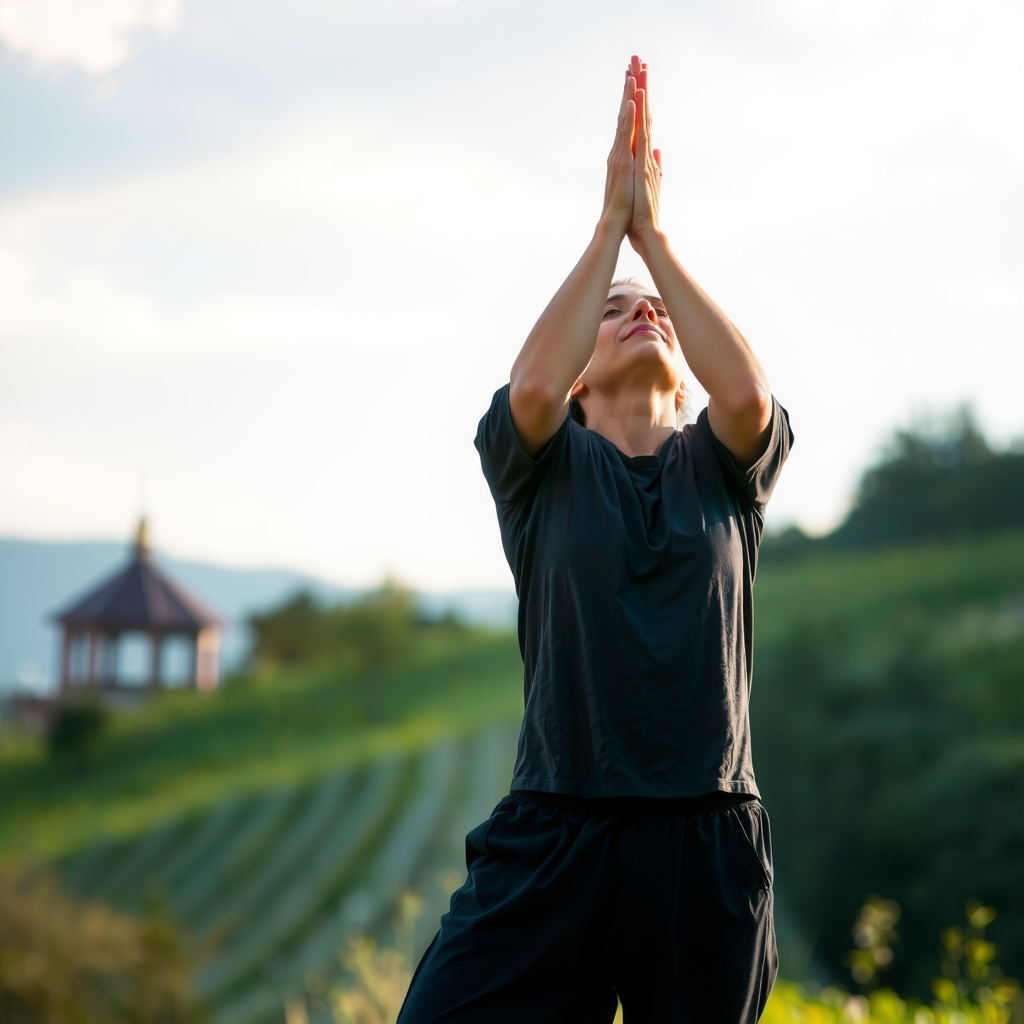
Embodying presence through mindful practice
Greater Resilience and Adaptability
Spiritual practice builds resilience—not the rigid kind that resists change, but the flexible strength of a tree that bends in the wind without breaking. You find yourself better able to navigate life's inevitable challenges and transitions. Setbacks that might have devastated you before become opportunities for growth. You develop a trust in your ability to handle whatever comes, not because you have all the answers, but because you've learned to stay present and responsive.
This resilience shows up in your relationship with uncertainty. Rather than needing everything figured out and controlled, you become more comfortable with not knowing. You can hold questions without rushing to answers, sit with ambiguity without anxiety. This doesn't mean you become passive or stop planning—rather, you hold your plans more lightly, remaining open to life's unexpected turns and opportunities.
Bouncing Forward, Not Just Back
True resilience isn't about returning to how things were before a challenge—it's about integrating the experience and emerging transformed. You begin to see difficulties not as obstacles to your spiritual path, but as the path itself. Each challenge becomes a teacher, revealing where you still hold tension, where you need to grow, where you can deepen your practice. This shift in perspective is itself a profound sign of spiritual maturation.
Your adaptability increases as well. You become less attached to specific outcomes and more focused on showing up with integrity and presence. When plans change or expectations aren't met, you can pivot more gracefully. This flexibility isn't about lacking conviction or direction—it's about holding your path with an open hand, allowing life to guide you toward your highest good, even when it looks different than you imagined.
Authentic Self-Expression and Purpose
As your spiritual practice deepens, you often experience a growing alignment between your inner truth and outer expression. The masks you've worn to fit in or please others begin to feel uncomfortable. You find yourself speaking more honestly, making choices that reflect your values even when they're unpopular, living more authentically. This isn't about becoming selfish or inconsiderate—it's about honoring your truth while respecting others' journeys.

This authenticity often brings a clearer sense of purpose. You begin to understand what you're here to contribute, what lights you up, what feels meaningful. This doesn't necessarily mean a dramatic career change or grand mission—sometimes it's about bringing more consciousness and care to whatever you're already doing. Purpose isn't something you find out there; it emerges from within as you clear away the layers of conditioning and connect with your essential nature.
You may notice that you're less concerned with external validation and more guided by internal alignment. Success becomes less about achievement and recognition, more about integrity and contribution. You're willing to take risks that align with your values, even when the outcome is uncertain. This courage to be yourself, to follow your calling, to trust your path—this is spiritual practice in action.
The Subtle Art of Letting Go
One of the most profound signs of spiritual progress is an increased capacity for letting go. This manifests in countless ways—releasing grudges more easily, not clinging to outcomes, accepting what is rather than fighting reality. You begin to understand that holding on often causes more suffering than the loss itself. This doesn't mean you become passive or stop caring—rather, you learn to engage fully while holding lightly.
You might notice that you're less attached to being right, more willing to admit mistakes, quicker to apologize. Your identity becomes less rigid—you can hold your beliefs and opinions without being defined by them. When circumstances change or new information emerges, you can adapt without feeling like you're losing yourself. This flexibility of identity is a hallmark of spiritual maturity.
Letting go is not about giving up or becoming indifferent. It's about releasing our grip on how we think things should be, creating space for life to unfold in ways we couldn't have imagined.
This capacity for release extends to material possessions as well. You find yourself less driven by acquisition, more content with what you have. Simplicity becomes appealing—not as deprivation, but as freedom. You recognize that the things you own also own you, requiring your time, energy, and attention. As you let go of excess, you create space for what truly matters.
Recognizing the Journey, Not Just the Destination
Perhaps the ultimate sign that your spiritual practice is working is a shift in how you relate to the practice itself. You stop seeing it as a means to an end—something you do to achieve enlightenment or become a better person. Instead, you recognize that the practice is the path, the journey is the destination. Each moment of presence, each act of kindness, each breath taken with awareness—these are not steps toward something else. They are the thing itself.
This understanding brings a quality of ease to your practice. You're less driven by ambition or the need to achieve spiritual milestones. You can appreciate where you are right now, even while remaining open to growth. You understand that spiritual development isn't linear—there will be periods of rapid expansion and times of apparent stagnation, moments of clarity and stretches of confusion. All of it is part of the journey.

You also develop patience with yourself and the process. You recognize that transformation takes time, that integration happens in its own rhythm. You're less likely to compare your journey to others', understanding that each path is unique. This patience extends to others as well—you can honor where they are on their journey without needing them to be somewhere else.
Embracing the Paradoxes
As your spiritual understanding deepens, you become more comfortable with paradox. You can hold seemingly contradictory truths simultaneously—being fully yourself while recognizing no-self, accepting what is while working for change, being complete as you are while continuing to grow. These paradoxes, which once seemed like logical impossibilities, reveal themselves as the very nature of reality.
This comfort with paradox reflects a more nuanced, mature understanding. You're less likely to think in black and white, more able to appreciate complexity and ambiguity. You can hold multiple perspectives without needing to collapse them into a single truth. This cognitive flexibility is both a sign of spiritual growth and a tool for further development.
The spiritual path is not about becoming someone different—it's about becoming more fully yourself. It's not about transcending your humanity but embracing it more completely. These signs of progress are not achievements to collect but natural expressions of your deepening practice. Trust the process, honor your journey, and know that every moment of sincere practice is transforming you in ways both subtle and profound.
Continue Your Journey
Remember that spiritual growth is not a destination but an ongoing journey of discovery, transformation, and deepening presence. Each step forward, no matter how small, is a victory worth celebrating.