Published November 8, 2024
The Power of Community in Spiritual Practice
Discover how practicing with a supportive community accelerates your spiritual journey and creates lasting connections with like-minded individuals.
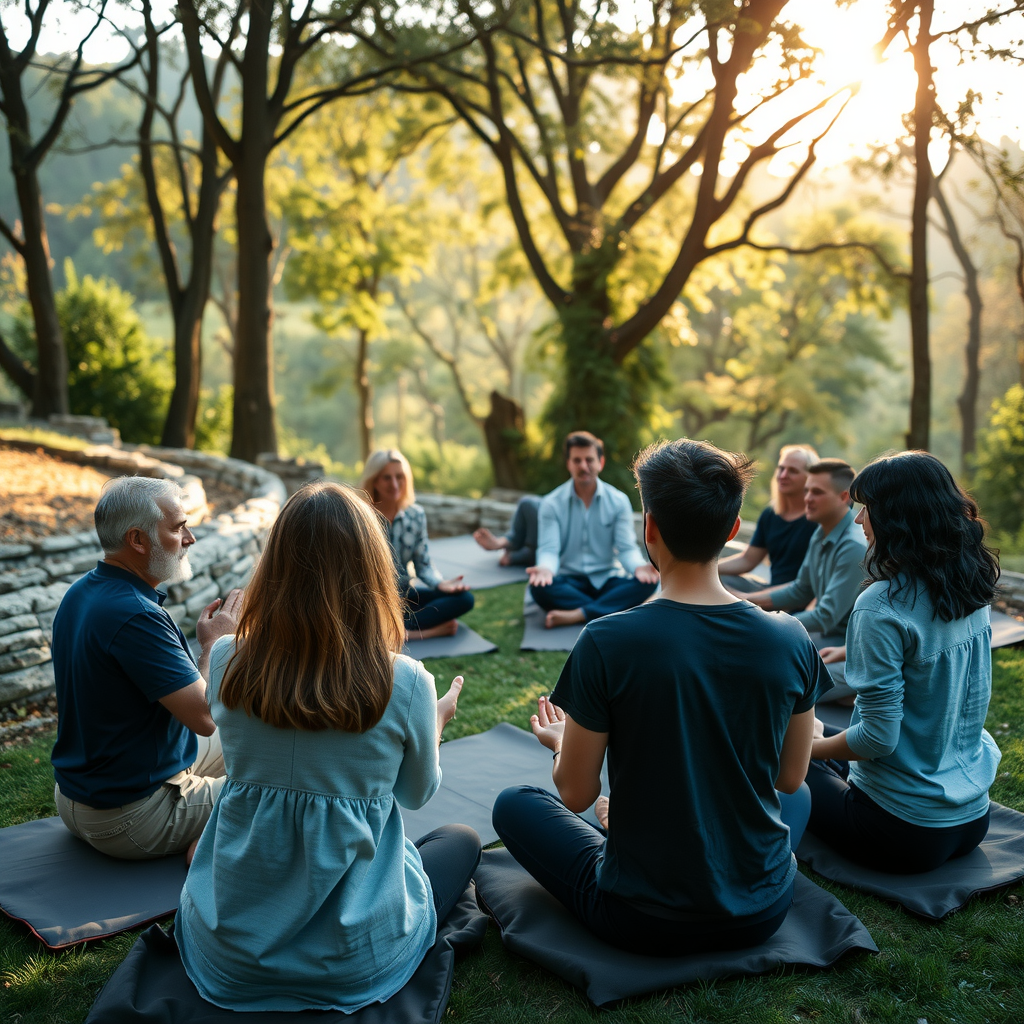
In the journey toward spiritual strengthening and personal growth, many practitioners discover a profound truth: while individual practice forms the foundation, practicing within a supportive community can dramatically accelerate transformation and deepen understanding. The collective energy, shared wisdom, and mutual encouragement found in spiritual communities create an environment where growth flourishes naturally.
The ancient wisdom traditions have long recognized this principle. From meditation circles to prayer groups, from spiritual retreats to regular gatherings, communities have served as catalysts for individual awakening throughout human history. Today, as we navigate an increasingly complex world, the role of spiritual community becomes even more vital in sustaining our practice and supporting our evolution.
The Amplifying Effect of Collective Energy
When individuals come together with shared intention and purpose, something remarkable occurs. The combined energy of group meditation or spiritual practice creates a field that supports and elevates each participant. This phenomenon, often described as collective consciousness or group resonance, has been experienced by practitioners across traditions and cultures.

Scientific research has begun to validate what spiritual practitioners have known intuitively. Studies on group meditation show measurable changes in brain wave patterns, with participants' neural activity becoming synchronized. This coherence extends beyond the meditation session, influencing how practitioners experience their daily lives. The collective field created during group practice acts as a supportive container, making it easier for individuals to access deeper states of awareness and maintain focus.
For those new to spiritual practice, this collective energy provides crucial support. Beginners often struggle with maintaining consistency and overcoming initial challenges. Within a group setting, the established practitioners' energy helps stabilize and guide newcomers, creating a natural mentorship dynamic that accelerates learning and deepens understanding.
"Alone we can do so little; together we can do so much. In spiritual practice, the community becomes the vessel that holds and nurtures our individual transformation."
Shared Experiences and Collective Wisdom
One of the most valuable aspects of practicing within a community is the opportunity to learn from others' experiences. Each person's spiritual journey is unique, yet common themes and challenges emerge. When practitioners share their insights, struggles, and breakthroughs, they create a rich tapestry of collective wisdom that benefits everyone.
These shared experiences serve multiple purposes. First, they normalize the challenges of spiritual practice. Knowing that others have faced similar obstacles and overcome them provides encouragement and perspective. Second, hearing how different individuals approach the same practice or teaching offers multiple pathways for understanding, allowing each person to find the approach that resonates most deeply with them.
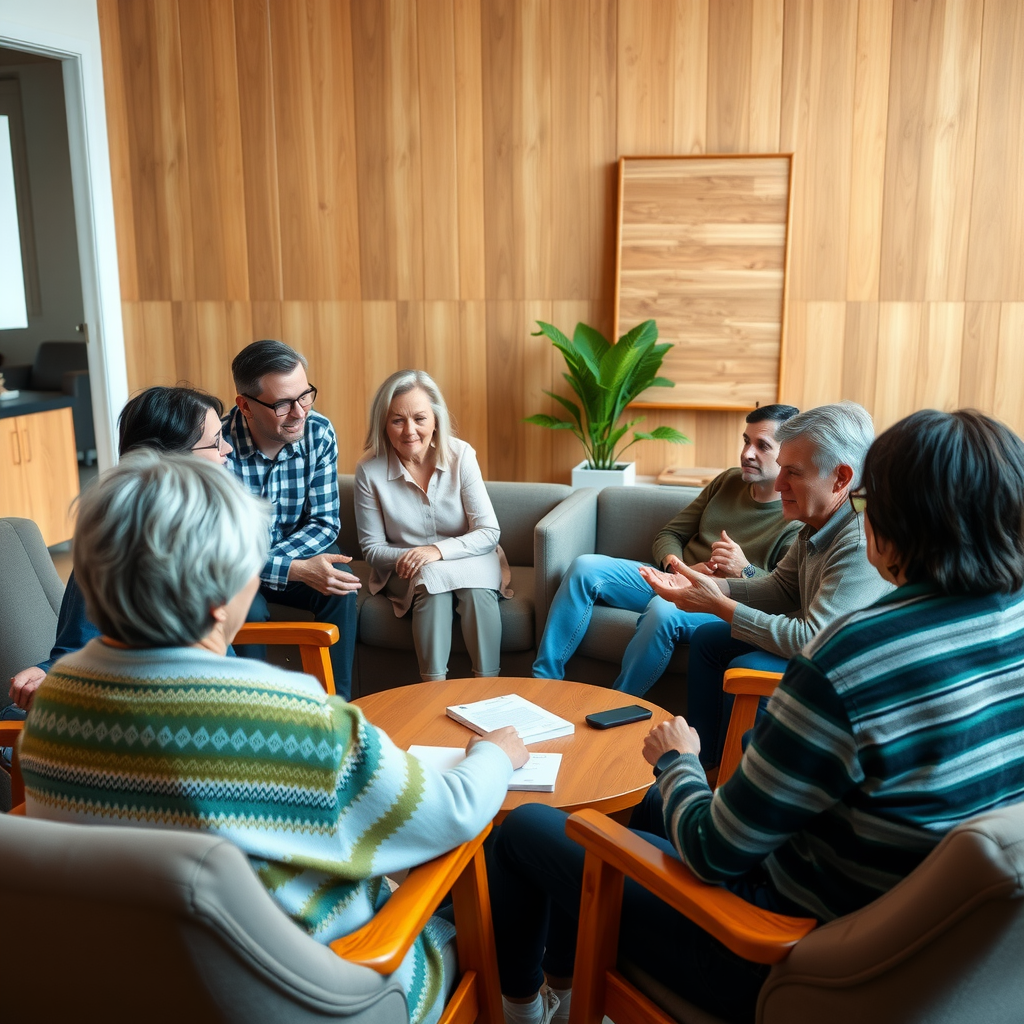
The practice of sharing also develops important qualities such as vulnerability, authenticity, and compassionate listening. In a supportive spiritual community, members learn to speak their truth while holding space for others to do the same. This creates an environment of mutual respect and understanding that extends far beyond the practice sessions, influencing how members interact with the broader world.
Moreover, collective wisdom accumulates over time. Long-standing spiritual communities develop a depth of understanding that transcends individual knowledge. This accumulated wisdom, passed down through generations of practitioners, provides guidance and context that would take decades for an individual to develop alone. New members benefit from this rich heritage while contributing their own unique perspectives and experiences.
Support During Challenging Periods
Every spiritual journey includes periods of difficulty, doubt, and darkness. These challenging phases, often called the "dark night of the soul," are natural and necessary parts of transformation. However, navigating them alone can be overwhelming and may lead practitioners to abandon their practice altogether.
A supportive community provides crucial assistance during these difficult times. Fellow practitioners who have weathered similar storms offer perspective, reminding us that challenges are temporary and often precede significant breakthroughs. Their presence and encouragement help maintain momentum when our own motivation falters.
Key Benefits of Community Support
- Emotional support during periods of doubt or difficulty
- Practical guidance from experienced practitioners
- Accountability that helps maintain consistent practice
- Celebration of progress and milestones
- Perspective that normalizes challenges as part of growth
The community also provides practical support. When life circumstances make regular practice difficult, fellow members can offer suggestions, share resources, or simply hold space for us to process our experiences. This practical dimension of community support ensures that spiritual practice remains integrated with daily life rather than becoming an isolated activity.
Building Lasting Connections
Beyond the immediate benefits to spiritual practice, communities create opportunities for deep, meaningful relationships. The bonds formed through shared spiritual practice often transcend ordinary friendship, creating connections based on mutual growth, authentic expression, and shared values.
These relationships provide a unique form of companionship. Unlike social connections based primarily on entertainment or convenience, spiritual friendships are rooted in a commitment to truth, growth, and mutual support. Members witness each other's evolution, celebrate breakthroughs, and provide steady presence through challenges. This creates a depth of connection that enriches all aspects of life.
The diversity within spiritual communities also expands our perspectives. Practitioners come from various backgrounds, ages, and life experiences, yet unite around common spiritual principles. This diversity challenges our assumptions, broadens our understanding, and helps us recognize the universal nature of spiritual truth beneath surface differences.
Furthermore, these connections often extend beyond formal practice sessions. Community members may gather for social events, service projects, or informal discussions, weaving spiritual principles into everyday activities. This integration helps bridge the gap between formal practice and daily life, making spirituality a lived experience rather than a compartmentalized activity.
Accountability and Consistency
One of the most practical benefits of community practice is the natural accountability it creates. When we commit to attending regular group sessions, we're more likely to maintain consistent practice. The expectation that others will be present, and that our presence matters to the group, provides motivation that complements our internal commitment.

This accountability operates on multiple levels. On a practical level, scheduled group sessions create structure and routine. On a deeper level, knowing that our practice contributes to the collective energy motivates us to show up even when we don't feel like it. Often, these are the sessions where we experience the most significant breakthroughs, precisely because we pushed through resistance.
The community also helps us recognize patterns in our practice. Fellow members may notice when we're avoiding certain aspects of practice or when we're making excuses. This gentle mirroring, offered with compassion and understanding, helps us maintain honesty with ourselves and stay aligned with our spiritual intentions.
Creating Sacred Space Together
When a group gathers regularly with spiritual intention, they create what might be called sacred space—an environment charged with the accumulated energy of sincere practice. This space becomes a refuge, a place where the ordinary concerns of daily life recede and deeper dimensions of experience become accessible.
The creation of sacred space is a collaborative effort. Each person's presence, intention, and energy contributes to the overall atmosphere. Over time, as the group continues to meet, this space deepens and strengthens. Members often report feeling a palpable shift when entering the practice space, as if crossing a threshold into a different quality of awareness.
This sacred space serves multiple functions. It provides a container for transformation, a place where it's safe to explore unfamiliar territories of consciousness. It offers respite from the demands and distractions of modern life. And it serves as a reminder of what's possible—a living demonstration that peace, clarity, and connection are always available when we create the conditions for them to emerge.
"The space we create together becomes a mirror reflecting our highest potential, reminding us of who we truly are beneath the layers of conditioning and habit."
Service and Contribution
Spiritual communities provide opportunities for service that deepen practice in unique ways. Contributing to the community—whether through teaching, organizing events, maintaining the practice space, or simply showing up consistently—develops qualities like generosity, humility, and selflessness that are central to spiritual growth.
Service within the community also helps us recognize that spiritual practice isn't separate from daily life. The same presence, patience, and compassion we cultivate in meditation can be expressed through practical acts of service. This integration is essential for authentic spiritual development, preventing practice from becoming self-centered or disconnected from real-world concerns.
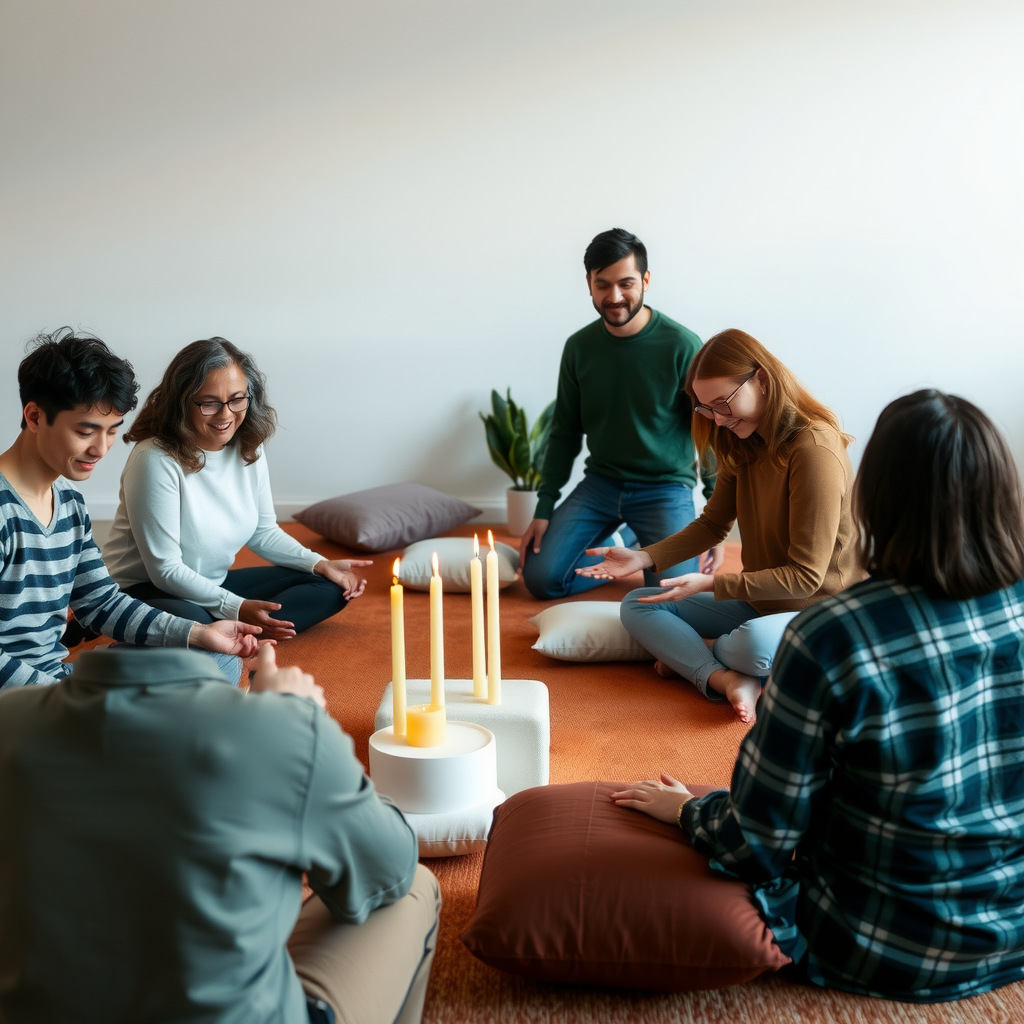
Moreover, service creates a healthy balance in our spiritual life. While receiving support and guidance is important, contributing to others' growth and well-being prevents practice from becoming self-absorbed. This reciprocal dynamic—receiving and giving, learning and teaching, being supported and offering support—creates a sustainable approach to spiritual development.
Navigating Challenges Within Community
While spiritual communities offer tremendous benefits, they also present challenges that become opportunities for growth. Interpersonal conflicts, differences in understanding or approach, and the inevitable human imperfections of community members can test our practice in ways that solitary practice cannot.
These challenges are not obstacles to spiritual growth but essential aspects of it. Learning to maintain equanimity when someone irritates us, practicing compassion when conflicts arise, and developing patience with others' limitations—these are advanced spiritual practices that can only be learned in relationship with others.
A mature spiritual community acknowledges these challenges openly and provides frameworks for addressing them skillfully. Rather than pretending that conflicts don't exist or that everyone should always get along, healthy communities recognize that working through difficulties together strengthens both individual practice and collective bonds.
The Ripple Effect Beyond the Community
The benefits of community practice extend far beyond the immediate circle of practitioners. As individuals deepen their practice within a supportive community, they naturally bring greater presence, compassion, and wisdom to all their relationships and activities. This creates a ripple effect that touches families, workplaces, and broader social circles.
Communities also serve as models for different ways of relating and organizing. In a world often characterized by competition, isolation, and superficial connection, spiritual communities demonstrate the possibility of cooperation, authentic relationship, and shared purpose. This modeling function may be one of the most important contributions spiritual communities make to society.
Furthermore, many spiritual communities engage in service projects or outreach activities that directly benefit the broader community. Whether through meditation classes, charitable work, or simply being a presence of peace and stability in their neighborhoods, these groups contribute to collective well-being in tangible ways.
Begin Your Journey with Community
Whether you're new to spiritual practice or seeking to deepen your existing journey, finding a supportive community can transform your experience and accelerate your growth.
Conclusion: The Path Forward Together
While individual practice remains essential, the power of community in spiritual development cannot be overstated. The collective energy of group practice, the wisdom gained from shared experiences, the support during difficult periods, and the lasting connections formed with fellow practitioners all contribute to a richer, deeper, and more sustainable spiritual journey.
In our increasingly fragmented and isolated world, spiritual communities offer something precious: a place of genuine connection, shared purpose, and mutual support. They remind us that we're not alone in our struggles or our aspirations, that others share our commitment to growth and transformation.
The path of spiritual strengthening is both deeply personal and inherently communal. We each must do our own inner work, face our own shadows, and discover our own truth. Yet we do this work more effectively, more joyfully, and more sustainably when we do it together, supported by and supporting others on the same journey.
As you continue on your spiritual path, consider the role that community might play in your practice. Whether you're seeking a community for the first time or looking to deepen your engagement with an existing group, remember that the collective journey enriches the individual path in ways that solitary practice alone cannot achieve. Together, we create the conditions for transformation, not just for ourselves but for all beings.