Building Emotional Resilience Through Spiritual Practice
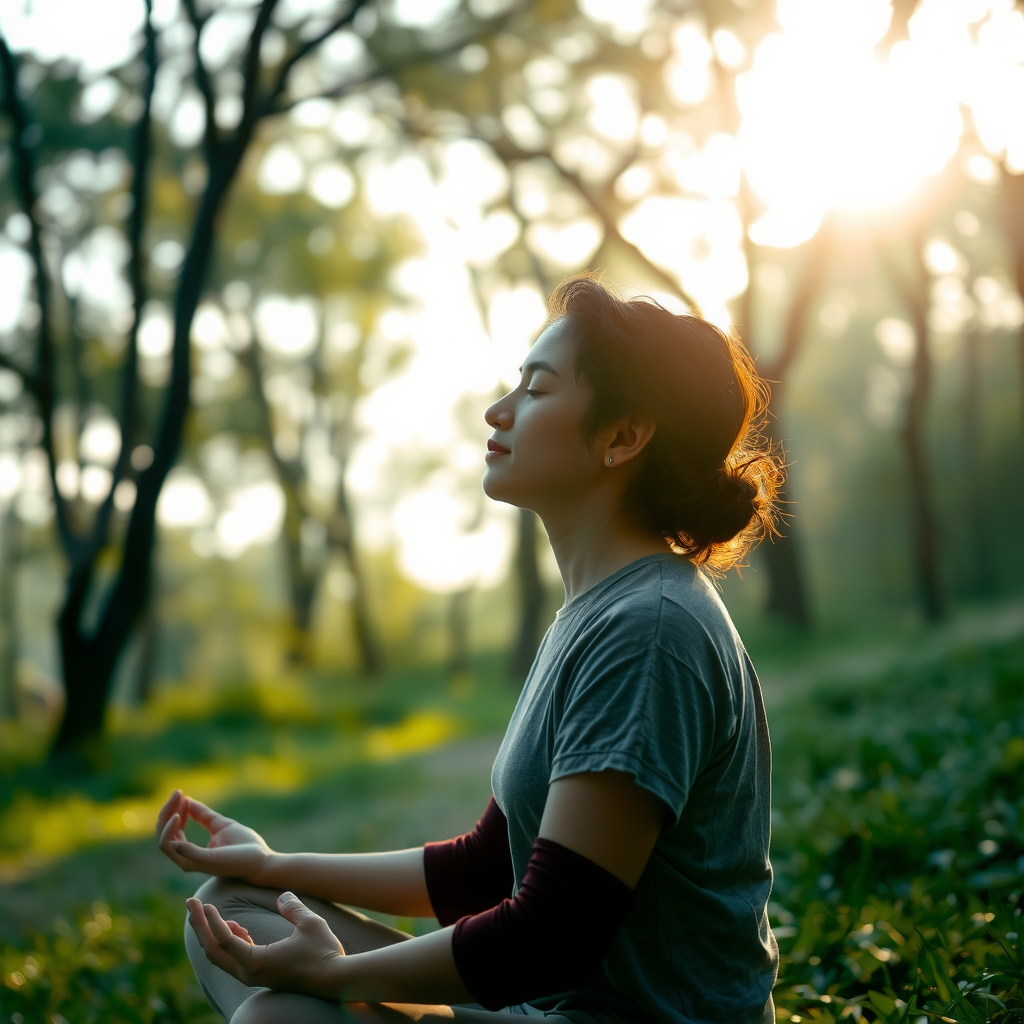
Life inevitably presents us with challenges, setbacks, and moments of profound difficulty. The ability to navigate these obstacles with grace and emerge stronger is what we call emotional resilience. Through the integration of spiritual practices into our daily lives, we can develop this essential quality and transform adversity into opportunities for growth and deeper understanding.
Understanding Emotional Resilience
Emotional resilience is not about avoiding difficulties or suppressing our feelings. Rather, it is the capacity to acknowledge our emotions, process them healthily, and maintain our equilibrium even when facing significant stress or trauma. Resilient individuals possess the ability to adapt to changing circumstances, recover from setbacks, and continue moving forward with purpose and clarity.
The Vo Vi Friendship Association recognizes that true resilience stems from a deep connection with our spiritual core. When we cultivate this inner foundation through consistent practice, we develop an unshakeable center that remains stable regardless of external circumstances. This spiritual grounding provides us with the strength and perspective needed to face life's challenges with courage and wisdom.
Research in psychology and neuroscience increasingly supports what spiritual traditions have taught for millennia: regular contemplative practices physically change our brains, enhancing our capacity for emotional regulation, stress management, and psychological flexibility. These changes are not merely theoretical but manifest in tangible improvements in our daily lives and relationships.
The Foundation of Spiritual Practice
Building emotional resilience through spiritual practice begins with establishing a consistent daily routine. This foundation serves as an anchor during turbulent times, providing structure and stability when everything else feels uncertain. The key is not the duration of practice but its regularity and sincerity.
Meditation and Mindfulness
Meditation forms the cornerstone of spiritual resilience training. Through regular meditation practice, we learn to observe our thoughts and emotions without becoming overwhelmed by them. This observer perspective creates psychological distance from our immediate reactions, allowing us to respond to challenges with greater wisdom and less reactivity.
The Vo Vi method emphasizes gentle awareness and natural breathing, helping practitioners develop a calm and centered state of mind. This practice strengthens our ability to remain present during difficult moments rather than becoming lost in worry about the future or regret about the past. Over time, this present-moment awareness becomes a powerful tool for managing stress and maintaining emotional balance.
Scientific studies have demonstrated that regular meditation practice reduces activity in the amygdala, the brain's fear center, while strengthening the prefrontal cortex, which governs rational thinking and emotional regulation. These neurological changes translate into improved stress resilience, better emotional control, and enhanced overall well-being.
Cultivating Inner Peace
Inner peace is not the absence of challenges but the presence of calm amidst them. Through spiritual practice, we develop this quality by learning to release attachment to outcomes and accept the natural flow of life. This acceptance does not mean passive resignation but rather an active engagement with reality as it is, not as we wish it to be.
The practice of letting go is central to building resilience. When we cling tightly to specific outcomes or resist inevitable changes, we create unnecessary suffering for ourselves. By cultivating flexibility and openness through spiritual practice, we develop the capacity to adapt gracefully to whatever circumstances arise.
"True resilience comes not from hardening ourselves against life's difficulties, but from developing the flexibility to bend without breaking, the wisdom to learn from every experience, and the compassion to remain open-hearted even in the face of pain."
Transforming Obstacles into Opportunities
One of the most powerful aspects of spiritual practice is its ability to help us reframe our relationship with difficulties. Rather than viewing obstacles as purely negative experiences to be avoided, we can learn to see them as opportunities for growth, learning, and spiritual development.
The Growth Mindset
Spiritual traditions have long taught that challenges are essential for our evolution. Without resistance, there can be no strength; without darkness, we cannot appreciate light. This perspective aligns with modern psychological research on the growth mindset, which demonstrates that viewing challenges as opportunities for learning leads to greater resilience and achievement.
When we approach difficulties with curiosity rather than fear, asking "What can I learn from this?" instead of "Why is this happening to me?", we activate our problem-solving abilities and creative thinking. This shift in perspective transforms us from victims of circumstance into active participants in our own growth and development.

Finding Meaning in Adversity
Viktor Frankl, the renowned psychiatrist and Holocaust survivor, taught that we cannot always control what happens to us, but we can always choose how we respond. This freedom to choose our attitude, even in the most difficult circumstances, is the essence of human dignity and the foundation of resilience.
Spiritual practice helps us discover meaning in our experiences, even painful ones. Through reflection and contemplation, we can identify the lessons embedded in our challenges and recognize how they contribute to our overall development. This meaning-making process is crucial for psychological resilience and post-traumatic growth.
The Vo Vi approach emphasizes that every experience, whether pleasant or difficult, serves our spiritual evolution. By maintaining this perspective, we develop the capacity to remain centered and purposeful even during life's most challenging periods. This doesn't mean we won't feel pain or struggle, but rather that we can hold these experiences within a larger context of growth and meaning.
Maintaining Mental Clarity During Stress
Stress clouds our judgment and narrows our perspective, making it difficult to see solutions or make wise decisions. Spiritual practice provides tools for maintaining mental clarity even when under significant pressure, allowing us to respond skillfully rather than react impulsively.
The Power of Breath
Conscious breathing is one of the most accessible and powerful tools for managing stress and maintaining clarity. When we feel overwhelmed, our breathing typically becomes shallow and rapid, triggering the body's stress response. By deliberately slowing and deepening our breath, we activate the parasympathetic nervous system, promoting relaxation and clear thinking.
The Vo Vi practice incorporates natural breathing techniques that help practitioners remain calm and centered. These techniques can be applied anywhere, anytime, making them invaluable tools for managing stress in daily life. Regular practice strengthens our ability to access this calm state quickly, even in highly stressful situations.
Research has shown that controlled breathing exercises can reduce cortisol levels, lower blood pressure, and improve cognitive function. These physiological changes support emotional resilience by helping us maintain our composure and think clearly when facing challenges.

Creating Space for Wisdom
Spiritual practice creates psychological space between stimulus and response. This space is where wisdom resides. Instead of automatically reacting to stressful situations based on habit or emotion, we develop the capacity to pause, reflect, and choose our response consciously.
This pause is not about suppressing our emotions or denying our immediate reactions. Rather, it's about creating enough space to acknowledge these responses while also accessing our deeper wisdom and values. From this place of clarity, we can make decisions that align with our highest intentions rather than our momentary impulses.
The regular practice of meditation strengthens this capacity for conscious response. Over time, the space between stimulus and response naturally expands, giving us more freedom to choose how we engage with life's challenges. This freedom is the essence of emotional resilience and spiritual maturity.
Building a Supportive Spiritual Community
While individual practice is essential, resilience is also strengthened through connection with others who share our spiritual path. The Vo Vi Friendship Association provides a supportive community where practitioners can share experiences, learn from one another, and receive encouragement during difficult times.
The Power of Shared Practice
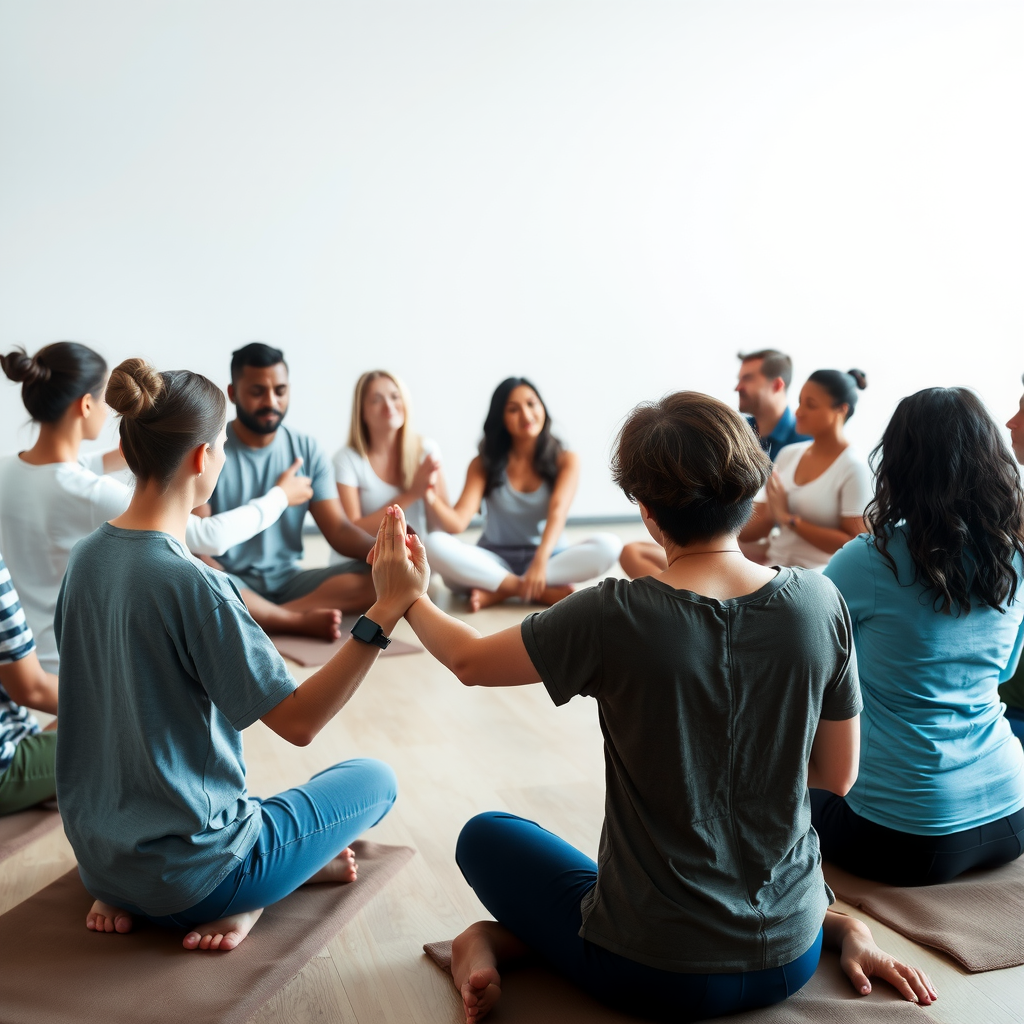
Practicing with others creates a field of collective energy that supports and amplifies individual efforts. When we meditate or engage in spiritual practices together, we benefit not only from our own practice but also from the combined intention and focus of the group. This collective energy can help us access deeper states of peace and clarity than we might achieve alone.
Community practice also provides accountability and motivation. On days when our individual practice feels difficult or we're tempted to skip it, knowing that others are counting on our presence can help us maintain consistency. This consistency is crucial for developing the deep resilience that comes from sustained spiritual practice.
Furthermore, witnessing others navigate their challenges with grace and resilience inspires us to do the same. We learn from their examples, gain new perspectives on our own difficulties, and realize that we're not alone in our struggles. This sense of shared humanity is itself a powerful source of resilience.
Giving and Receiving Support
A spiritual community provides opportunities both to receive support during our own difficult times and to offer support to others facing challenges. This reciprocal exchange strengthens resilience in multiple ways. When we receive support, we feel less alone and more capable of facing our difficulties. When we offer support, we gain perspective on our own challenges and experience the healing power of compassion and service.
The act of helping others also reinforces our own spiritual understanding and practice. Teaching or supporting others requires us to articulate and embody the principles we're learning, deepening our own integration of these teachings. This process of giving back strengthens our commitment to the path and enhances our own resilience.
Practical Steps for Daily Integration
Understanding the principles of spiritual resilience is valuable, but true transformation comes from consistent daily practice. Here are practical steps for integrating these teachings into your everyday life and building lasting emotional resilience.
Morning Practice
Begin each day with a period of meditation, even if only for ten or fifteen minutes. This morning practice sets the tone for your entire day, helping you approach challenges with greater calm and clarity. Use this time to center yourself, connect with your spiritual intention, and cultivate the inner peace that will support you throughout the day.
Consider incorporating gentle movement or stretching before meditation to help release physical tension and prepare your body for stillness. The Vo Vi practice includes simple movements that help energy flow freely through the body, supporting both physical health and spiritual development.
Mindful Moments Throughout the Day
You don't need to wait for formal practice sessions to benefit from spiritual principles. Throughout your day, take brief moments to return to your breath, check in with your emotional state, and reconnect with your center. These micro-practices, done consistently, significantly enhance resilience.
When you notice stress building, pause for three conscious breaths. When facing a difficult decision, take a moment to connect with your inner wisdom before responding. When experiencing strong emotions, acknowledge them with compassion rather than judgment. These small practices accumulate over time, fundamentally changing how you relate to life's challenges.
Evening Reflection
End each day with a brief period of reflection. Review the day's events without judgment, noting both challenges and successes. Acknowledge where you maintained your center and where you lost it. This honest self-reflection, done with compassion, helps you learn from experience and continuously refine your practice.
Use this evening time to release any tensions or concerns from the day. Practice forgiveness—both of yourself and others—for any mistakes or difficulties. This daily clearing prevents the accumulation of emotional baggage and helps you approach each new day with freshness and openness.
The Journey of Continuous Growth
Building emotional resilience through spiritual practice is not a destination but a lifelong journey. There will be times when you feel strong and centered, and times when you struggle. Both are natural parts of the path. What matters is your commitment to continuing the practice, learning from each experience, and gradually deepening your capacity for resilience.
Remember that resilience is not about never falling down but about always getting back up. Each time you face a challenge and work through it using your spiritual tools, you strengthen your resilience. Each time you return to your practice after a period of neglect, you reinforce your commitment to growth. Each time you extend compassion to yourself or others during difficult times, you deepen your spiritual understanding.
The Vo Vi Friendship Association supports practitioners at every stage of this journey, offering guidance, community, and encouragement. Whether you're just beginning to explore spiritual practice or have been on the path for many years, there is always more to learn, deeper levels of understanding to access, and greater resilience to develop.
Begin Your Journey Today
The path to greater resilience and spiritual development begins with a single step. Start where you are, use what you have, and trust in the process of gradual transformation.
As you continue on this path, you'll discover that the resilience you develop extends far beyond your ability to handle stress or bounce back from setbacks. It becomes a fundamental quality of your being—a deep trust in life, a profound peace that underlies all experiences, and a wisdom that guides you through both challenges and triumphs.
This is the gift of spiritual practice: not just the ability to survive difficulties, but the capacity to thrive through them, to grow from them, and to use them as stepping stones toward greater wisdom, compassion, and spiritual realization. May your practice bring you this deep resilience, and may you share its benefits with all those whose lives you touch.