Building Inner Peace Through Daily Spiritual Practice
Discover how establishing a consistent daily spiritual practice can help you cultivate inner peace and emotional balance through meditation, breathing exercises, and mindfulness.
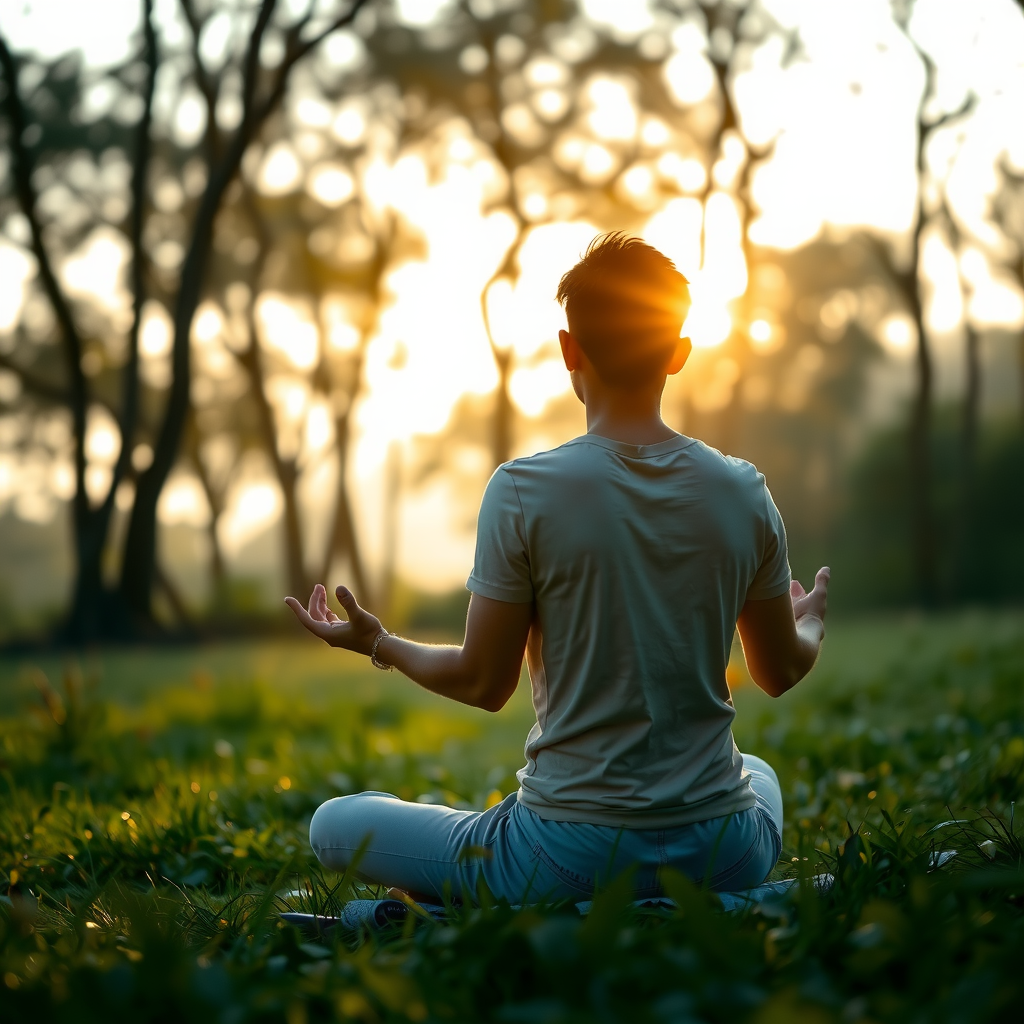
In our fast-paced modern world, finding moments of genuine peace and tranquility can feel like an impossible task. The constant demands of work, family, and social obligations leave many of us feeling overwhelmed, stressed, and disconnected from our inner selves. Yet, the ancient wisdom of spiritual practice offers a powerful antidote to this modern malaise, providing a pathway to lasting inner peace and emotional balance.
The Vo Vi Friendship Association has long recognized the transformative power of daily spiritual practice. Through consistent dedication to meditation, breathing exercises, and mindfulness techniques, countless individuals have discovered a profound sense of calm and resilience that permeates every aspect of their lives. This article explores practical approaches to building a sustainable spiritual practice that can help you cultivate the inner peace you seek.
Understanding the Foundation of Inner Peace
Inner peace is not merely the absence of stress or conflict; it is a deep, abiding sense of tranquility that remains steady even when external circumstances are challenging. This state of being emerges from a strong connection to your spiritual core, a relationship that must be nurtured through regular practice and conscious attention.
The journey toward inner peace begins with understanding that peace is not something we find externally, but rather something we cultivate from within. Like tending a garden, developing inner peace requires patience, consistency, and the right tools. Daily spiritual practice provides these essential tools, creating a framework for personal growth and emotional stability.
"The practice of daily meditation and mindfulness is not about achieving perfection, but about creating a sacred space within yourself where peace can naturally flourish. Through consistent practice, we strengthen our spiritual foundation and build resilience against life's inevitable challenges."
When we commit to a daily spiritual practice, we are essentially making an investment in our emotional and mental well-being. This investment pays dividends in the form of increased clarity, reduced anxiety, improved relationships, and a greater sense of purpose and meaning in life.
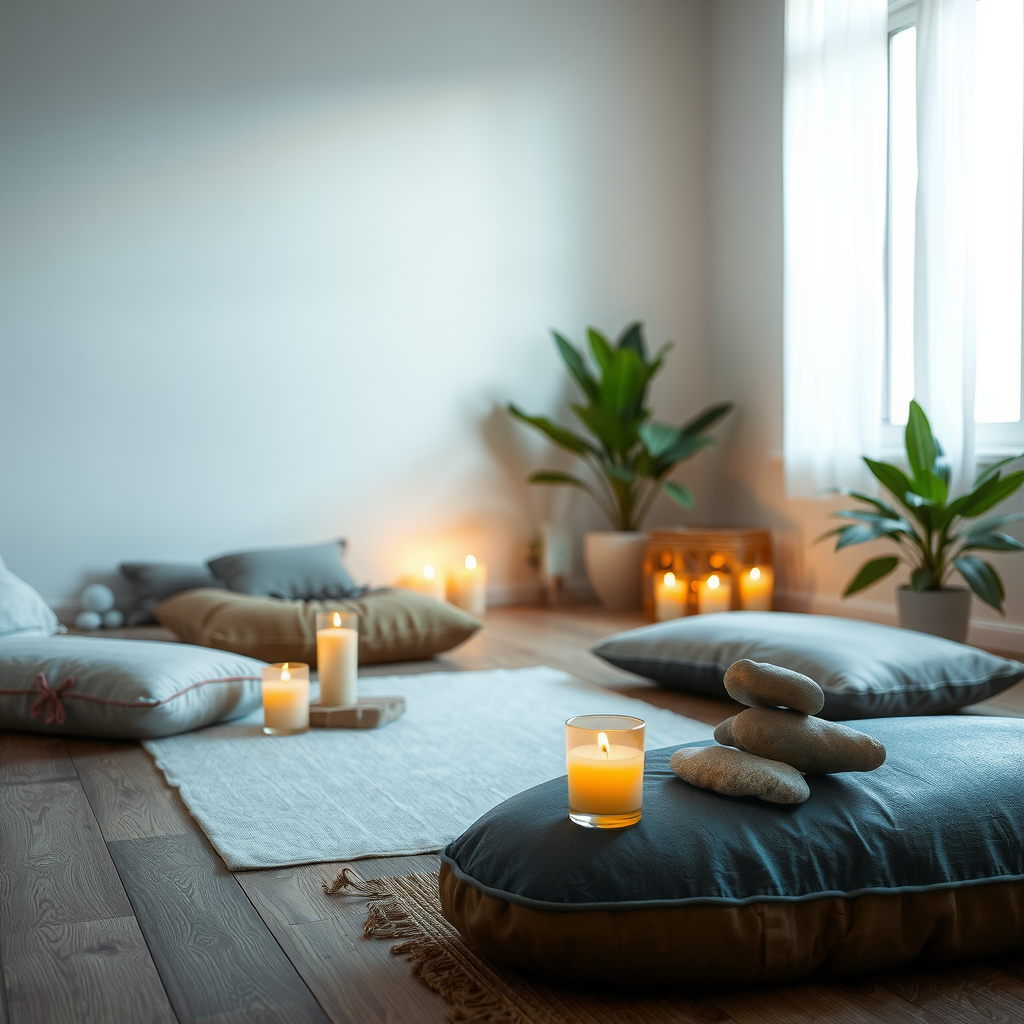
The Power of Meditation in Daily Life
Meditation stands as one of the most powerful tools for cultivating inner peace and spiritual growth. This ancient practice, embraced by spiritual traditions worldwide, offers a direct pathway to connecting with your inner self and accessing deeper states of consciousness and tranquility.
Beginning a meditation practice doesn't require hours of time or special equipment. Even five to ten minutes of daily meditation can produce remarkable benefits. The key is consistency rather than duration. By setting aside a specific time each day for meditation, you create a ritual that signals to your mind and body that it's time to turn inward and find stillness.
Starting Your Meditation Practice
For those new to meditation, the prospect can seem daunting. However, the practice is remarkably simple in its essence. Find a quiet space where you won't be disturbed, sit comfortably with your spine straight, and close your eyes. Begin by simply observing your breath, noticing the natural rhythm of inhalation and exhalation without trying to control it.
As thoughts arise—and they will—acknowledge them without judgment and gently return your attention to your breath. This process of noticing when your mind has wandered and bringing it back to the present moment is the heart of meditation practice. Each time you do this, you're strengthening your ability to maintain focus and presence.
Within the Vo Vi spiritual practice, meditation takes on additional dimensions, incorporating specific techniques for energy cultivation and spiritual development. These methods, passed down through generations, provide structured approaches to deepening your meditation experience and accelerating your spiritual growth.
Key Benefits of Regular Meditation
- Reduced stress and anxiety levels through activation of the relaxation response
- Enhanced emotional regulation and greater resilience in facing challenges
- Improved focus, concentration, and mental clarity in daily activities
- Deeper connection to your spiritual essence and inner wisdom
- Better sleep quality and overall physical health improvements
- Increased compassion and understanding in relationships with others
Breathing Exercises for Emotional Balance
The breath serves as a bridge between body and mind, offering immediate access to our emotional and energetic states. Through conscious breathing exercises, we can quickly shift our internal experience, moving from states of tension and anxiety to ones of calm and centeredness.

Breathing exercises, or pranayama as they're known in yogic traditions, work by directly influencing the autonomic nervous system. When we breathe slowly and deeply, we activate the parasympathetic nervous system, which promotes relaxation and healing. Conversely, shallow, rapid breathing activates the sympathetic nervous system, associated with stress and the fight-or-flight response.
Essential Breathing Techniques
One of the most accessible and effective breathing exercises is the 4-7-8 technique. Inhale quietly through your nose for a count of four, hold your breath for a count of seven, and exhale completely through your mouth for a count of eight. This pattern naturally calms the nervous system and can be practiced anywhere, anytime you need to restore balance.
Another powerful technique is alternate nostril breathing, which balances the left and right hemispheres of the brain and promotes mental clarity. Using your right thumb, close your right nostril and inhale through the left. Then close the left nostril with your ring finger, release the right nostril, and exhale. Continue this alternating pattern for several minutes.
The Vo Vi tradition emphasizes specific breathing methods that work in harmony with meditation practice to cultivate spiritual energy and promote healing. These techniques, when practiced regularly, can significantly enhance your ability to maintain emotional equilibrium and access deeper states of consciousness.
Incorporating breathing exercises into your daily routine doesn't require extensive time commitments. Even three to five minutes of conscious breathing practice, performed two or three times throughout the day, can produce noticeable improvements in your stress levels and emotional state. Many practitioners find that starting the day with breathing exercises sets a positive tone that carries through their entire day.
Cultivating Mindfulness in Everyday Activities
While meditation and breathing exercises provide dedicated time for spiritual practice, mindfulness extends this awareness into every moment of daily life. Mindfulness is the practice of maintaining present-moment awareness with an attitude of openness, curiosity, and non-judgment. It transforms ordinary activities into opportunities for spiritual growth and inner peace.
The beauty of mindfulness lies in its accessibility. You don't need to set aside special time or create particular conditions to practice mindfulness. Instead, you can bring mindful awareness to activities you're already doing: eating, walking, washing dishes, or having conversations. By fully engaging with the present moment, you break free from the cycle of rumination about the past or anxiety about the future.

Practical Mindfulness Applications
Begin with mindful eating. Before taking your first bite, pause to appreciate the food before you. Notice its colors, textures, and aromas. As you eat, chew slowly and deliberately, paying attention to the flavors and sensations. This simple practice not only enhances your enjoyment of food but also improves digestion and helps you develop a healthier relationship with eating.
Mindful walking offers another accessible entry point. As you walk, whether to your car, around your neighborhood, or through a park, bring your attention to the physical sensations of walking. Feel your feet making contact with the ground, notice the movement of your legs, and observe your surroundings with fresh eyes, as if seeing them for the first time.
In conversations, practice mindful listening. Rather than planning your response while the other person is speaking, give them your full attention. Notice not just their words but their tone, body language, and the emotions beneath their message. This quality of presence deepens relationships and reduces misunderstandings.
The Vo Vi approach to mindfulness emphasizes maintaining awareness of your spiritual energy throughout daily activities. This involves periodically checking in with yourself, noticing your energy state, and making adjustments through brief moments of conscious breathing or mental centering. Over time, this practice becomes second nature, creating a continuous thread of spiritual awareness woven through your day.
Building Resilience Through Consistent Practice
One of the most valuable gifts of daily spiritual practice is the resilience it builds. Resilience—the ability to bounce back from difficulties and maintain equilibrium in the face of challenges—is not an innate trait but a skill that can be developed through consistent practice and conscious effort.
When you engage in regular meditation, breathing exercises, and mindfulness, you're essentially training your mind and nervous system to respond to stress in healthier ways. You develop the capacity to observe difficult emotions and situations without being overwhelmed by them. This doesn't mean you won't experience challenges or negative emotions; rather, you'll have the tools to navigate them with greater ease and wisdom.

The Cumulative Effect of Daily Practice
The benefits of spiritual practice accumulate over time, much like compound interest in a savings account. Each day of practice builds upon the previous days, creating a foundation of inner strength that becomes increasingly stable and reliable. This is why consistency matters more than the duration of individual practice sessions.
Research in neuroscience has shown that regular meditation and mindfulness practice actually changes the structure and function of the brain. Areas associated with emotional regulation, self-awareness, and compassion become more developed, while areas associated with stress and anxiety show reduced activity. These changes don't happen overnight, but they do happen with consistent practice.
Within the Vo Vi community, practitioners often speak of the transformative power of sustained spiritual practice. Many report that challenges that once seemed insurmountable become manageable, relationships improve, and a sense of purpose and meaning deepens. These changes emerge not from dramatic breakthroughs but from the steady, patient work of daily practice.
Building resilience also involves developing a supportive community. The Vo Vi Friendship Association provides such a community, where practitioners can share experiences, learn from one another, and receive guidance from more experienced members. This collective support amplifies individual practice, creating an environment where spiritual growth flourishes.
Creating Your Personal Practice Routine
Establishing a sustainable daily spiritual practice requires thoughtful planning and realistic expectations. The goal is not to create a perfect routine but to develop a practice that fits naturally into your life and that you can maintain over the long term.
Start by identifying the best time of day for your practice. Many people find that early morning, before the demands of the day begin, offers the quietest and most conducive environment for spiritual practice. However, if you're not a morning person, evening practice can be equally effective. The key is choosing a time when you're alert enough to engage fully but not so busy that practice becomes just another item on your to-do list.
Structuring Your Daily Practice
A well-rounded daily practice might include several elements, though you should feel free to adjust based on your needs and available time. Consider beginning with five minutes of breathing exercises to center yourself and prepare for meditation. Follow this with ten to twenty minutes of meditation, using techniques that resonate with you or those taught within the Vo Vi tradition.
After meditation, you might spend a few minutes in contemplation or journaling, reflecting on insights that arose during practice or setting intentions for the day ahead. Throughout the day, incorporate brief moments of mindfulness, perhaps setting reminders on your phone to pause and take three conscious breaths every few hours.
In the evening, consider a shorter practice session to help transition from the activity of the day to restful sleep. This might include gentle breathing exercises, a brief meditation, or a body scan relaxation technique. This evening practice helps process the day's experiences and promotes better sleep quality.
Sample Daily Practice Schedule
Morning (15-20 minutes):
- 5 minutes: Breathing exercises
- 10-15 minutes: Meditation
- 2-3 minutes: Intention setting
Throughout Day:
- Brief mindfulness moments (1-2 minutes each)
- Mindful activities (eating, walking, listening)
Evening (10-15 minutes):
- 5 minutes: Breathing exercises
- 5-10 minutes: Meditation or body scan
- Reflection on the day
Remember that flexibility is important. Some days you may have more time and energy for practice, while other days you may need to shorten your routine. What matters most is maintaining the habit, even if that means practicing for just five minutes on particularly busy days. Consistency builds the neural pathways and habits that make spiritual practice an integral part of your life.
Overcoming Common Obstacles
Every practitioner encounters obstacles on their spiritual journey. Understanding these common challenges and having strategies to address them can help you maintain your practice through difficult periods.
One of the most common obstacles is the belief that you're "not doing it right" or that your mind is too busy for meditation. It's important to understand that having thoughts during meditation is completely normal. The practice is not about achieving a thought-free state but about developing awareness of your thoughts and gently returning to your point of focus. Every time you notice your mind has wandered and bring it back, you're succeeding in your practice.
Time constraints present another frequent challenge. When life gets busy, spiritual practice often becomes the first thing we sacrifice. However, this is precisely when we need it most. Rather than abandoning practice during busy periods, consider adapting it. Even two minutes of conscious breathing or a brief moment of mindfulness can help maintain your connection to your spiritual practice.
Lack of immediate results can also discourage practitioners. In our culture of instant gratification, we expect quick results from our efforts. Spiritual practice, however, works more subtly. The benefits accumulate gradually, and sometimes we don't notice the changes until we look back over weeks or months. Trust the process and remember that every moment of practice is valuable, regardless of how it feels in the moment.
Physical discomfort during meditation is another common issue. If sitting on the floor is uncomfortable, use a chair. If your back hurts, try lying down (though be aware you might fall asleep). The physical position is less important than maintaining alertness and presence. Experiment with different postures until you find what works for your body.
The Role of Community in Spiritual Growth
While personal practice forms the foundation of spiritual development, practicing within a supportive community amplifies and enriches the journey. The Vo Vi Friendship Association exemplifies how collective spiritual practice creates an environment where individual growth flourishes.
Community practice offers several unique benefits. First, it provides accountability and encouragement. When you know others are also committed to daily practice, it becomes easier to maintain your own commitment. The shared experience creates a sense of connection and mutual support that sustains motivation through challenging times.
Group meditation and practice sessions also generate a collective energy that many practitioners find enhances their individual experience. There's a palpable quality to meditating with others that can deepen your practice and provide insights that might not arise during solo practice. This phenomenon, sometimes called "group consciousness" or "collective field," has been recognized across spiritual traditions throughout history.
Learning from more experienced practitioners accelerates your development. Within a spiritual community, you have access to teachers and mentors who can offer guidance, answer questions, and help you navigate challenges. Their wisdom, gained through years of practice, can help you avoid common pitfalls and deepen your understanding of spiritual principles.
Community also provides opportunities for service, which is itself a powerful spiritual practice. By contributing to the well-being of others and supporting fellow practitioners, you develop compassion, humility, and a sense of purpose that extends beyond personal benefit. This outward focus balances the inward focus of meditation and creates a more complete spiritual practice.
Embracing the Journey Forward
Building inner peace through daily spiritual practice is not a destination but a lifelong journey. Each day offers new opportunities for growth, learning, and deepening your connection to your spiritual essence. The practices of meditation, breathing exercises, and mindfulness provide reliable tools for navigating this journey with grace and wisdom.
As you continue your practice, remember that progress is not always linear. There will be periods of rapid growth and periods of plateau. There will be days when practice feels effortless and days when it feels like a struggle. All of these experiences are part of the journey and contribute to your development in ways that may not be immediately apparent.
The key is to approach your practice with patience, self-compassion, and curiosity. Be gentle with yourself when you miss a day or when your mind feels particularly restless. Celebrate small victories and trust that each moment of practice, no matter how imperfect it may seem, is contributing to your spiritual growth and the cultivation of lasting inner peace.
The Vo Vi Friendship Association stands ready to support you on this journey, offering teachings, community, and guidance rooted in time-tested spiritual wisdom. Whether you're just beginning your spiritual practice or seeking to deepen an existing practice, the path forward is illuminated by the consistent application of these simple yet profound techniques.
May your daily practice bring you the inner peace, emotional balance, and spiritual connection you seek. May you find strength in consistency, wisdom in stillness, and joy in the journey itself. The path to inner peace begins with a single breath, a single moment of presence, a single commitment to showing up for yourself each day. That path is open to you now, inviting you to take the next step forward.